
Fear not the spontaneous
It's more appealing than you might think...

Our attention spikes in the presence of the spontaneous. What was dead and dull and totally predictable is now far more appealing to us. I suspect this was always true – that Shakespeare’s audience really liked it when something went wrong on stage too.
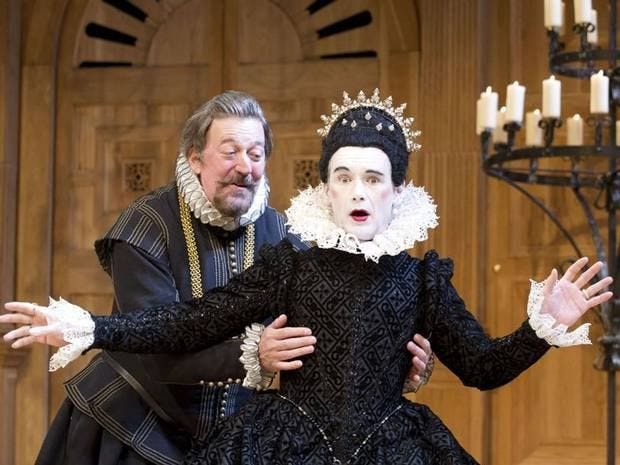
You can see it in contemporary comedy, theatre and music when a performer has to react to a sudden change, a heckle or something going wrong, and they break the fourth wall. The audience enjoys that moment when there is a connection with them. It’s why performers say ‘Never work with animals or children’ – the unpredictable gets all the attention.
You can use a balance of preparation and spontaneity to really up your game as a speaker, without needing to bring a menagerie on stage with you. Prepare enough that you can riff and you really become interesting to the audience.
Why does our attention spike when we see someone relax and speak conversationally? It’s because we see someone confident enough to trust themselves to be spontaneous and not overly rehearsed. We love that they have the same tone, pace and resonance under pressure as they do in a normal conversation. It creates a sense of trust.
We are wired to assess trust. When your tone is easy and conversational – when there’s a harmony between what you are thinking and saying – the audience relaxes and listens. There’s a congruence between your inner and outer worlds. If the audience can’t work you out, because your inner and your outer seem to be communicating different messages, they become uneasy. If you mumble or mutter, or try too hard to be polished and controlled, they wonder what you’re hiding. So they stop listening and try to work you out, at least unconsciously.
A voice that is too loud and too pushy, doesn’t feel trustworthy. It suggests too much adrenalin, self- interest and a lack of empathy and connection with others. Equally, a voice that is too quiet or uncertain suggests a lack of confidence, an inability to fight someone’s corner when it matters. But when you are conversational, confident, congruent, you have an audience’s unreserved attention.
Conversational confidence matters more than ever. In the old days of public speaking – think lecterns, scripts, big hair and big stages – you could get away with a polished mask to hide behind. The world doesn’t respond to that polish any more. It wants prepared spontaneity to deal with what arises on a 24- hour news cycle and rolling smartphone footage, rather than the perfectly set- up shot, look or soundbite.
Platforms like TED and YouTube have changed what we expect from you as a speaker. We want you to seem relaxed and conversational, while at the same time being precise and prepared in your thinking.
Conversational quality is about ease. You need to give your self permission to be the same you on the stage as the you who hangs out with your friends. It requires discipline, because ease in the spotlight takes a little work, just as ease in great cooking takes careful preparation.
The surprise for most people is that being natural under pressure takes work, you can’t just stroll on to the stage and expect it all to be wonderful. You need to prepare your message and plan carefully to feel natural in what can seem like an unnatural situation. Seeing something in the world is the first step to doing it yourself, so observe speakers you admire, who stay congruent and conversational in front of an audience and watch how they do it. You may notice that they are self- aware, calm, have good posture and are confident to speak up. Start to think about how you can become more conversational in your big moments. It can help to visualise yourself speaking in this way in front of an audience – what do you see and hear on that screen in the ideal version? I do this when a speech or meeting is coming up that I feel nervous about. I consciously make a little movie clip in my mind of me in front of the audience smiling, enjoying it, being myself and notice the audience responding.
The more you can visualise this conversational you, the more you can see yourself present, enjoying being in the moment with them, the easier it is to move towards that in your preparation.
Will you create the little movie clip too?
Let me know how you get on.
Have a great week!
Caroline x